
The Rise of Mini Golf Leagues for Serious Players
Mini golf has moved beyond casual date nights and family outings. For competitive players, the course now offers a real test of precision, patience, and strategy. Every lane asks for a read. Each obstacle rewards a smart shot choice.
That shift explains why mini golf leagues continue to attract competitive players in growing numbers. A league gives skilled players more than a place to play. It also gives them structure, score history, standings, and a reason to improve each week. Golfers can sharpen their putting, and players who already love mini golf can compete with more purpose.
Why Mini Golf Appeals to Competitive Players
Mini golf rewards the same instincts that drive every precision sport. Shot control, course reads, pace, and mental focus all matter on every hole. A correct read saves a stroke. The skill ceiling also sits higher than most casual rounds reveal, which is why competitive players keep coming back.
The barrier to entry stays low at the same time. A standard putter, a good eye, and a willingness to study the course cover the basics, and the rest comes through repeated play. That mix of low entry cost and high skill ceiling draws competitive players from traditional golf and other precision games who want a fresh challenge in competitive putting.
Golfers find a surprising amount of crossover. The reads, the speed control, and the green-side touch translate directly. Mini golf also forces a kind of creativity that a regulation green never asks for.
How League Play Turns Casual Rounds Into Serious Competition
A casual round ends when the round ends. League play extends the game across an entire season. Scheduled matches, score tracking, standings, and skill divisions give every shot a place in a larger picture. As a result, competitive players respond to that structure in a way casual rounds cannot match.
The format also raises the floor on every round. Players prepare differently when the same course will define their season standings. That means more time studying lanes, more attention to speed, and more focus on holes that cost strokes last week. A casual round invites a warm-up. A league night invites a strategy.
Season standings turn weekly play into a story. Competitive players track their scores against the field and watch their position move from week to week. They chase a finish that matters by the end of the schedule. The shift from "how did I play tonight" to "where do I stand in the season" is small in words but enormous in motivation.
The Skills Competitive Players Build on the Course
Competitive mini golf rewards skills that casual play rarely develops. Speed control sits at the top of the list. A putt struck too hard rolls past the cup. One left short turns a routine birdie into a bogey. Players who learn the exact pace each course demands save strokes that casual players give away every round.
Bank shots, obstacle strategy, and course memory follow close behind. Competitive players read a rail the way a pool player reads a cushion. They remember which lanes punish aggressive lines and which ones reward them.
Pressure shots build differently in a league setting. Holing a putt to win a round, or to lock in a season standing, sharpens decision-making in a way no driving range can replicate. Competitive players who complete full league seasons see real improvement in their nerve, pace, and consistency, which is why so many former structured league graduates now compete at higher levels.

Why Standings and Score History Matter
Serious players want data. A casual round delivers a number and ends. A league, on the other hand, delivers a record. Score history, weekly standings, and personal averages turn every round into part of a longer arc. As a result, competitive players use that information the way traditional athletes use stat sheets.
Leaderboards also drive the most direct motivation. Watching a name climb a few spots on the rankings week to week gives a player something concrete to chase. Falling a few spots, on the other hand, creates exactly the kind of pressure that sharpens focus on the next round.
Personal averages matter even more over a full season. A competitive player who lowered an average by three strokes across a schedule has clear evidence that the work paid off. That visibility keeps players invested across multiple seasons. Improvements that no one tracks tend to fade. Progress that shows up on a season report tends to compound. In short, this is what makes community-driven leagues so effective at retaining their best players.
How Local Courses Support Competitive League Play
A serious player can tell within one visit whether a course takes league play seriously. Course conditions, rule consistency, accurate scorekeeping, and well-run nights matter as much to competitive players as the design of the holes. Courses that invest in those details attract competitive players and hold on to them across multiple seasons.
The infrastructure side often goes unnoticed by casual visitors, but it defines the experience for serious league players. Reliable scoring, clear division placement, organized weekly play, and tournament hosting all signal that a course treats league night as a real event. Courses that get those details right become the gravity wells of their local competitive scene.
Competitive players gravitate toward courses that deliver:
Consistent rules and accurate scorekeeping across every league night
Well-maintained course conditions and predictable hole behavior
Clear skill divisions that match players to fair competition
Reliable upcoming events and tournament schedules
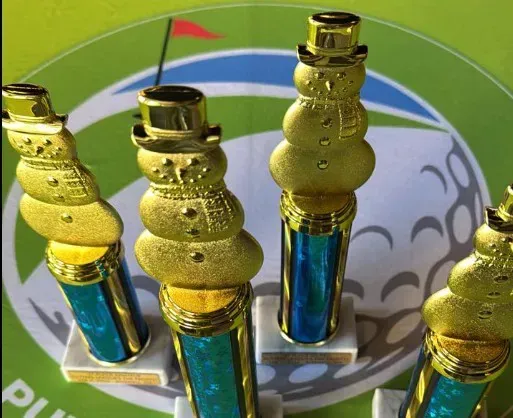
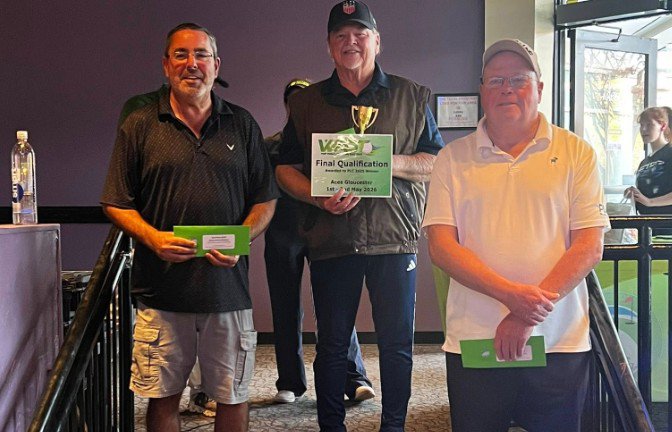
Recognition for season winners through trophies, prize money, or ranking points
Sponsor support that funds bigger prizes and tournament expansion
From League Nights to Tournament-Level Play
Competitive players who commit to a season usually find more competition waiting at the next tier. Higher divisions, sanctioned events, regional tournaments, and ranked play all sit one step beyond the local league. Players who earn ranking points at the local level often qualify for larger tournaments tracked by national golf organizations, which turns weekly league play into a real qualifying ladder.
Ready to take your game to the next level? Putter's League runs organized leagues and tournaments at courses nationwide. Find a league near you today.