
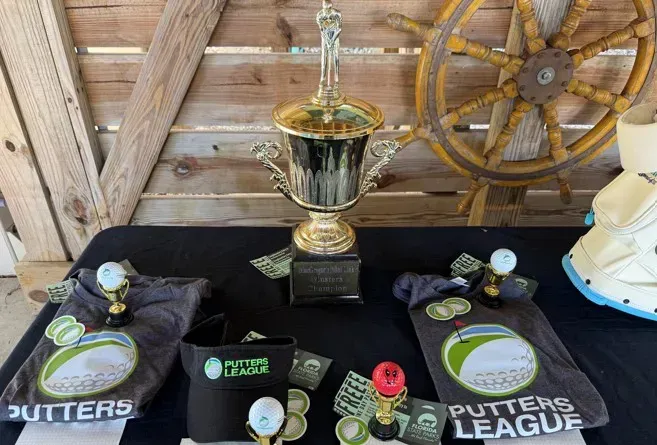
How Mini Golf Leagues Are Building Competitive Communities
Mini golf has always been easy to enjoy, but leagues give players a reason to come back. Players join a schedule, track scores, and meet others who want the same mix of fun and competition. A local course becomes more than a weekend stop. It becomes part of the growing world of community sports, a regular place to play, compete, and connect.
That shift puts mini golf squarely inside the rise of community sports. People gather around accessible, skill-based games that reward focus without demanding an athletic background. Mini golf leagues deliver exactly that, and players who start for fun often find a community that makes every round mean a little more.
Why Mini Golf Belongs in the Community Sports Conversation
Mini golf checks every box that defines a true community sport. The game stays accessible to almost anyone who can hold a putter, the equipment cost is low, and a single round fits comfortably into a weeknight. Players of any age or background can compete on the same hole and walk away with a real score to compare.
The format also rewards repeat play. A player who returns to the same course week after week reads the slopes with more precision, and that visible improvement keeps people coming back. Community sports thrive on measurable progress, and mini golf delivers it without the time commitment of a full round on a regulation course.
Year-round play seals the case. Outdoor courses run through the warm months, and indoor venues keep the game alive when the weather turns. Communities built around mini golf leagues do not lose their rhythm with the seasons.
How Leagues Turn Casual Players Into Regulars
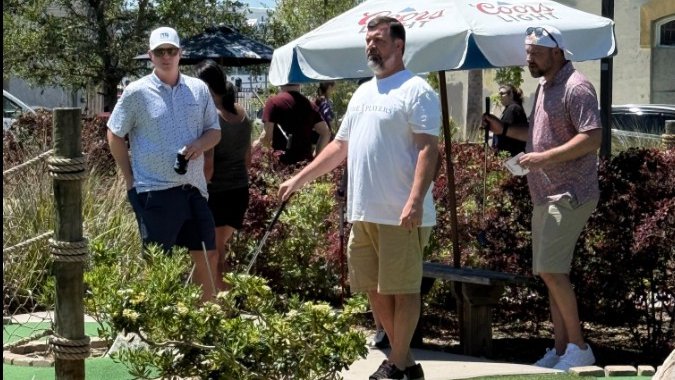
Casual mini golf is a one-time outing. League play is a habit. Once a player joins a season, the schedule alone changes how the game fits into the week. A Thursday night league becomes the anchor of someone's week, the way a Sunday softball game does in every other community sport.
Recognition between players accelerates that habit. The first few weeks feel polite and quiet, but by the fourth week, regulars know each other's names, putting styles and weekly stories. Players who showed up alone leave with people they look forward to seeing.
Friendly rivalries do the rest. Once a player has been edged out by the same competitor twice in a row, the next match takes on a different feel. That competitive edge shows up across ladies leagues, evening leagues, and family-friendly divisions, and mini golf delivers it as well as any other community sport.
The Social Side of Competitive Mini Golf
The round itself is only part of what brings players back. The minutes before, between, and after the holes are where the community lives. Players line up putts, compare scorecards, swap tips, and stick around after the last hole to talk through the night.
Championship nights and championship events amplify the effect. Players who spent a full season trading places in the standings share a course on one decisive night, and the energy carries beyond the final score.
The format also makes room for every kind of social mix. Solo players find groups, friends form teams, couples join together, and families show up across generations. Few community sports cover that range as comfortably as mini golf does.
Why Mini Golf Communities Welcome Every Skill Level
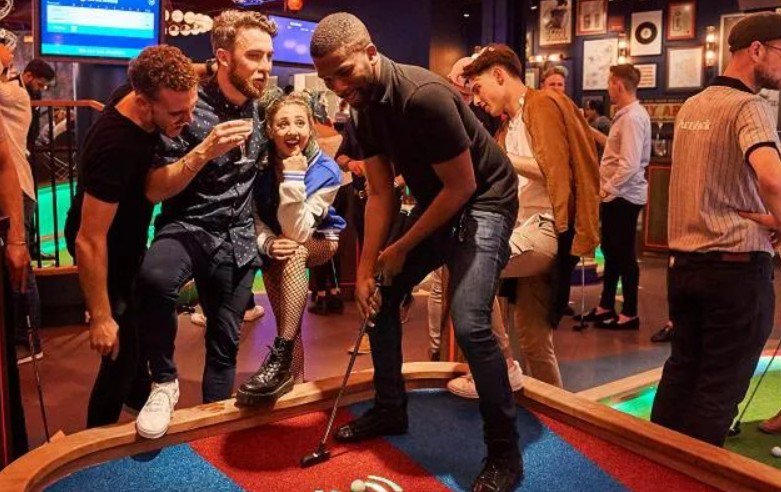
A first-time player and a seasoned competitor can stand on the same tee without anyone feeling out of place. Skill divisions split the field so each player competes against others at a similar level, which keeps scoring meaningful for everyone. New players land in friendly divisions, and experienced players land in higher divisions where they compete like a pro and every stroke counts toward the standings.
That structure removes the biggest barrier most community sports face. People hesitate to join when they worry about being the worst player in the room, and divisions solve that worry on the first night.
Mentorship grows naturally inside that mix. Veteran players share reads on tricky holes, suggest grip adjustments, and explain how the standings work. Newcomers absorb the culture of the league through those small exchanges, and skill levels coexist instead of competing for space.
How Local Courses Become Community Sports Hubs
A course that hosts a regular league quickly becomes more than an entertainment venue. Players show up on the same nights, recognize the staff by name, and treat the course as a neighborhood gathering spot. That repeat visitation shifts the course into a fixture of the local community sports scene.
The financial picture follows the community picture. Weeknights and off-peak hours are filled with steady traffic, which turns quiet operating windows into reliable revenue. Player engagement also drives food, beverage, and merchandise sales, and many courses find that league nights outperform weekend bookings on a per-hour basis.
Courses that host organized leagues see clear benefits:
Predictable weeknight and off-peak traffic from committed players
Stronger customer loyalty through community-driven events
Higher food, beverage, and merchandise sales during league nights
Greater social media visibility through player check-ins and event posts
Opportunities to attract sponsor support and host larger tournaments
From Local Community to a Wider Mini Golf Scene
The community a player joins on league night does more than fill a calendar slot. Friendships form, regular foursomes emerge, and championship weekends turn into yearly traditions. The wider mini golf scene grows the same way, with adult sports participation reaching steady gains according to National Sporting Goods Association data, and each local league adding its own players to that broader network.
Ready to be part of the next great community sport? Putter's League builds organized leagues and tournaments at courses nationwide. Contact us today.