
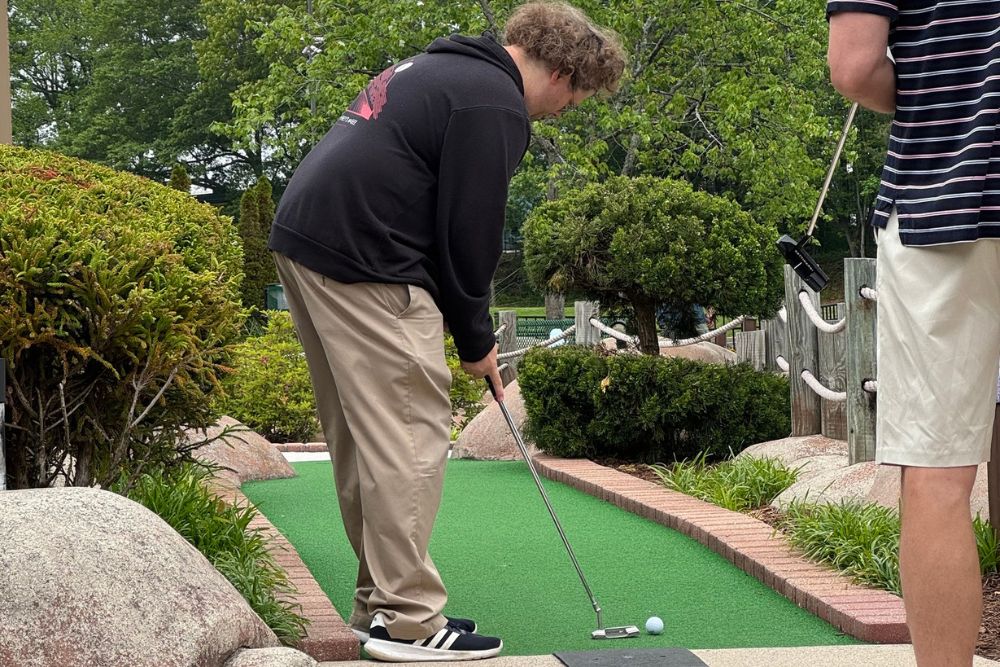
The Rise of Mini Golf Leagues for Competitive Players
Organized leagues are attracting more players, with mini golf enthusiasts seeking structured competition. These environments let beginners and experienced players develop skills while enjoying social interaction. Participation in recreational sports is increasing, showing growing interest in accessible, skill-based activities.
Leagues appeal to diverse age groups and encourage regular engagement within local communities. Many recreational activities are seeing renewed interest, highlighting the popularity of organized play. Overall, competitive leagues attract participants who value both fun and personal challenge.
Expanding Participation for Mini Golf Players
Organized leagues give mini golf players consistent opportunities to compete while building relationships with peers. Players enjoy tracking performance, refining techniques, and learning new strategies in each match. Participation in structured competition increases commitment and helps players stay invested over multiple seasons.
Local courses benefit when leagues attract both newcomers and repeat visitors consistently throughout the week. These programs help venues monetize slower operating hours while increasing player retention and loyalty. Regularly scheduled events create a reliable framework that strengthens course communities over time.
National tournaments offer aspirational goals for mini golf players seeking advanced competition and recognition. Competitors gain experience through regional and professional circuits that provide measurable performance benchmarks. Exposure to higher-level play motivates players to practice more consistently and strategically.
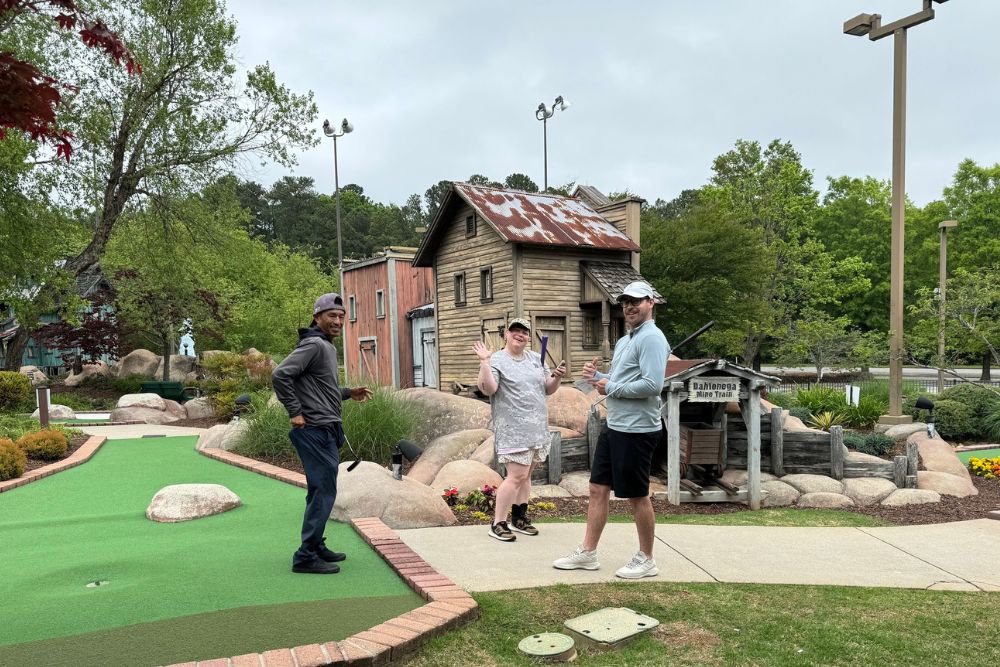
Enhancing Skills and Engagement for Mini Golf Players
Mini golf players improve through repeated, diverse practice embedded in competitive league formats regularly. Structured participation in events and competitions significantly increases long-term engagement in sports, supporting skill growth. Engaged players analyze scores, adjust strategies, and refine putting techniques during each session.
Leagues also help participants sharpen focus, strategic thinking, and adaptability with every round of play. Players regularly reflect on outcomes and refine approaches based on results and peer interactions. Developing these habits often encourages players to pursue higher-level competition and personal achievement.
Regular competition also improves mental focus, decision-making, and resilience under pressure. Players learn how to adapt quickly while enjoying the social aspects of games consistently. Skill progression becomes visible, making participation more rewarding and reinforcing the benefits of leagues.
Building Course Communities and Club Networks
Mini golf players form communities around local leagues, fostering shared experiences and collaboration between participants. Clubs often organize social events, additional practice sessions, and informal mentoring opportunities for new players. These networks strengthen both player retention and enjoyment, making the sport more accessible to beginners.
Courses hosting leagues benefit from steady attendance, creating predictable revenue and operational consistency over time. Weeknight and weekend leagues encourage repeat visits and help courses maximize slower operating hours. Engaged communities also attract friends and families, expanding the participant base organically across demographics.
Networking within clubs encourages players to exchange strategies, offer coaching, and share competitive tips regularly. Experienced competitors often mentor newcomers, enhancing skills while maintaining an inclusive atmosphere. Local courses benefit from the supportive environment that leagues provide, building long-term loyalty.
Benefits of Leagues for Mini Golf Players
Organized leagues provide measurable advantages to local courses seeking growth and engagement consistently. Weekly competitions attract mini golf players of different ages and experience levels reliably. Venues hosting leagues create exciting, structured environments for both casual and competitive participants.
The following bullet points summarize key benefits to courses implementing competitive mini golf leagues:
Increased weekday and evening traffic from committed mini golf players
Enhanced customer loyalty through community-building events and leagues
Opportunity to upsell food, beverages, and merchandise during league sessions
Improved marketing reach through social media promotion of events
Ability to host tournaments that enhance course visibility and prestige
Courses gain measurable revenue growth while maintaining player engagement and enjoyment consistently. Active leagues help venues attract repeat players while promoting welcoming experiences for newcomers.
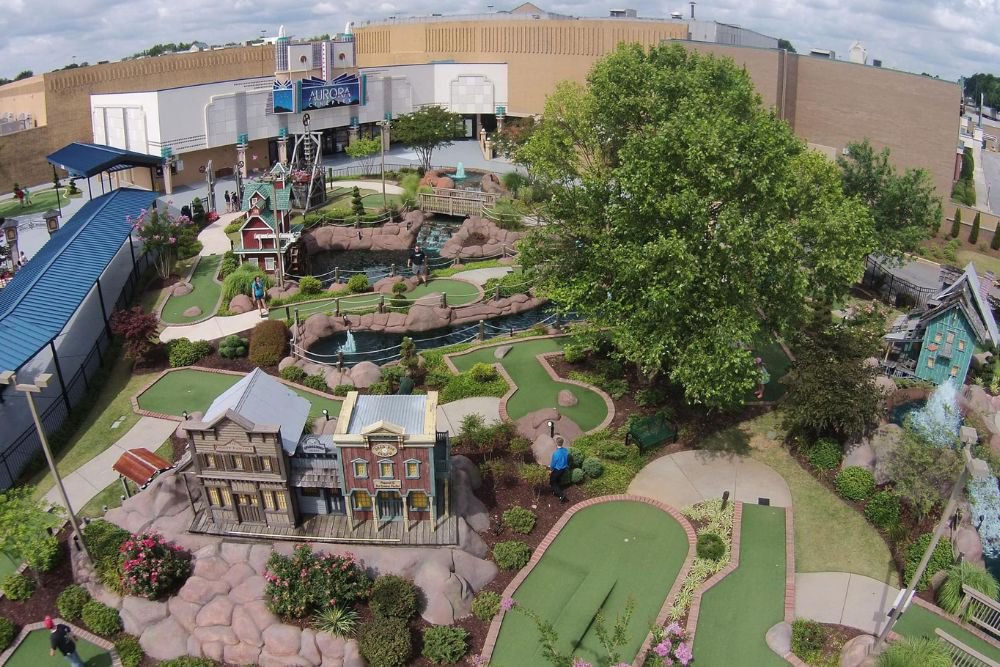
Competitive Mini Golf Players and Event Opportunities
Mini golf players are drawn to tournaments that challenge skills and offer exciting goals. Local competitions help participants practice strategies and build confidence for larger-scale events effectively. Structured events motivate players by providing measurable results and recognition from peers consistently.
Participation in competitive events strengthens social connections and encourages mini golf players to return regularly. Networking opportunities develop naturally through these events, creating communities that support skill growth and enjoyment. Adult golf participation increased steadily in 2024, highlighting structured play’s growing popularity among recreational players nationwide consistently.
Regional and national tournaments provide aspirational objectives, inspiring participants to enhance techniques consistently. Recognition through awards and leaderboard standings encourages long-term engagement and repeated attendance effectively. Exposure to professional-level play motivates newcomers to commit to regular practice routines reliably.
Looking Ahead: Growth of Competitive Play
Competitive mini golf continues expanding as leagues attract fresh participants nationwide consistently. Structured programs provide opportunities for frequent participation and measurable skill development effectively. Additionally, enthusiasts gain confidence, refinement, and enjoyment while practicing regularly in organized leagues.
Furthermore, participation in leagues improves social wellbeing through collaboration, mentorship, and shared recreational experiences. Likewise, community-focused events encourage engagement and welcome players across diverse age groups consistently. These programs foster inclusion, motivation, and enjoyment among participants in local networks.
Media coverage and local initiatives amplify awareness and visibility for competitive mini golf players. Therefore, accessibility, structured tournaments, and social interaction appeal to beginners and skilled participants alike. Courses benefit from higher attendance while participants experience skill progression, excitement, and community development.
Joining the Movement
Competitive mini golf is emerging as a mainstream recreational option, engaging mini golf players widely. Leagues offer consistent play, skill improvement, and community connections that sustain long-term interest consistently. Structured competitions provide enjoyable opportunities for casual and dedicated players to participate regularly.
At Putters League, we help local courses create leagues, manage scores, and host tournaments. Programs allow mini golf players to compete, improve, and enjoy structured play consistently. Explore organized leagues and tournaments near you here to join a growing community.