
From Fun to Fierce: The Growth of Mini Golf Leagues
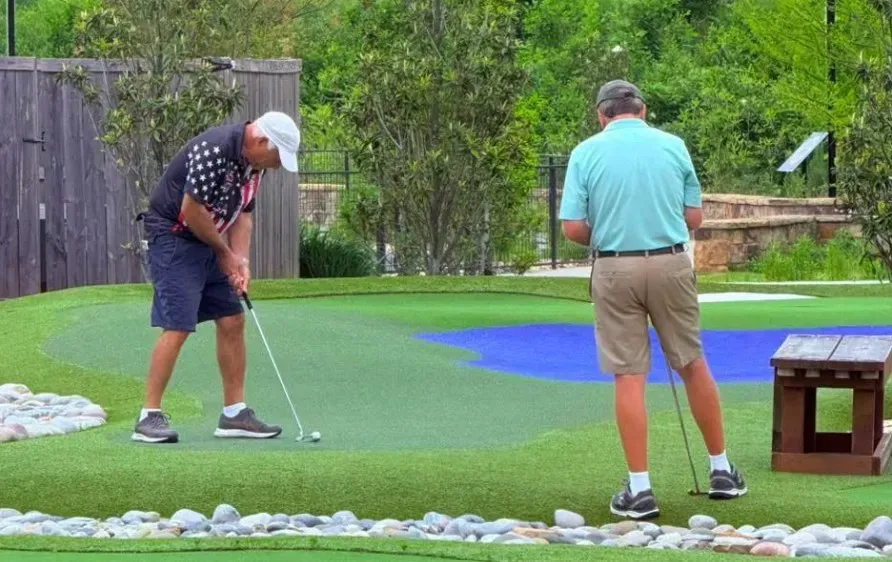
Mini golf has always been fun. It is easy to learn and welcoming to almost anyone. But the game changes when mini golf leagues turn a casual round into something bigger. A scorecard means more than bragging rights. A player who once came for fun starts to think about angle, speed, and strategy.
That shift has helped mini golf leagues grow into one of the most exciting corners of the sport. They keep the playful side of the game while adding structure and real competition. Players can still laugh through a bad bounce and still want to practice the next shot. For golfers and serious competitors alike, league play offers a fresh way to test skill without losing the fun.
Why Mini Golf Leagues Are Growing So Quickly
Mini golf leagues are growing for a simple reason. They deliver what most modern sports leagues cannot: real competition, low barrier to entry, and a built-in social atmosphere. A player can sign up alone, show up on a weeknight, and walk into a ready-made mini golf community without committing to a team or a year-long roster.
The format also fits how people actually want to spend their time. A league round takes about an hour. The skill is learnable, the cost is light, and the season tracks progress without demanding the commitment traditional sports require. That mix pulls in casual players, weekend golfers, and former tournament competitors at the same time.
Year-round availability seals the trend. Outdoor courses run through warm months, indoor venues carry the game through winter, and the leagues keep moving without a long off-season. The format is why mini golf leagues have grown faster than most local sports leagues in recent years.
How Casual Rounds Turn Into Competitive Seasons
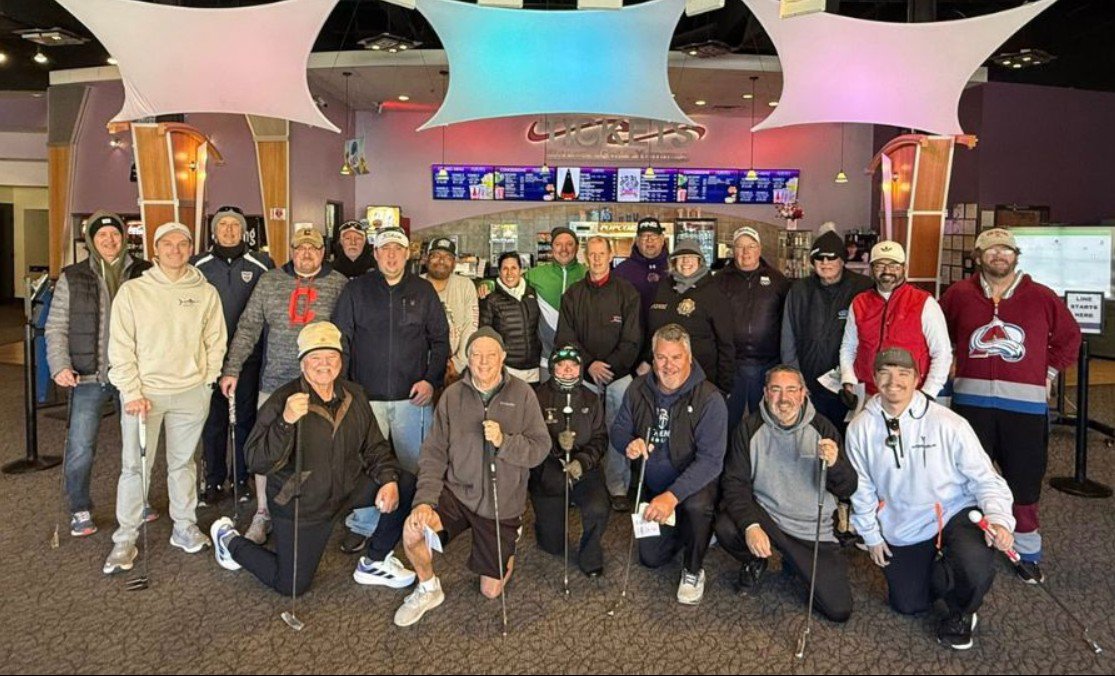
The shift from casual play to competitive season starts with a single decision: sign up. Once a player joins a league, the format takes over. Scheduled nights and tracked scores turn a one-off outing into something that builds. By the third week, players know which holes give them trouble and where they sit in the standings.
Score tracking is the engine behind that change. Every round becomes part of a record, and the record becomes a goal. Players who never paid much attention to their final number suddenly care about every stroke. The competitive instinct shows up naturally, even for players who joined just to have a good time.
Playoffs and championship nights cap the season with real stakes. The top finishers play for trophies, prize money, or ranking points, and the rest of the field shows up to watch or cheer. League play creates the same season-long arc that pulls fans into traditional sports, and many casual players find themselves ready to compete like a pro by the end of a first season.
What Makes Mini Golf Fierce Without Losing the Fun
The best mini golf leagues find a balance that most competitive sports never manage. The competition gets real, but the nights still feel social. Players give each other a hard time over a bad lag putt, then quietly grind through a make-or-break hole five minutes later. The mix keeps casual players engaged and competitive players from burning out.
Pressure shots create that fierce edge without forcing intensity on anyone. A player chasing a top-three finish feels the moment a putt has to drop. A player two divisions below feels it differently. Personal goals, rivalries, and standings give every round real consequence, but the fierce side stays optional.
Branded gear, championship trophies, and tournament prizes add another layer. Players invest in their own mini golf apparel, course owners hand out real trophies on championship night, and prize money turns up at sanctioned events. The visible signals of competition raise the stakes without raising the entry barrier and give players a reason to take the season seriously.

Who's Showing Up at League Night Today
The audience walking into modern mini golf leagues looks nothing like the family-friendly stereotype. Rosters include traditional golfers sharpening their putting, weekend warriors who want a competitive outlet, retirees who play three nights a week, families in mixed divisions, and former tournament players. The variety is part of why these leagues are growing.
Skill divisions make that mix work. A first-time player and a serious player can join the same league without ever being forced into the same scoring division. Casual divisions stay friendly. Higher divisions deliver real competition. Both groups walk away with a result that fits their experience, and the league feels welcoming instead of intimidating.
The inclusivity removes the biggest objection people raise before joining. The "I'm not good enough" worry disappears on the first night, because divisions match every player with peers at a similar level. The format draws players who would never sign up for a traditional sports league, and keeps them across multiple seasons.
How Local Courses Are Investing in Mini Golf Leagues
Local courses have noticed the shift and now treat league play as core business. League nights fill weeknight and off-peak hours with steady traffic, turn slow operating windows into reliable revenue, and build a repeat customer base that single-visit pricing cannot match.
The community side matters just as much as the revenue side. A course that hosts a regular league becomes a neighborhood fixture. Players show up on the same nights, know the staff, and bring friends along for championship rounds.
Courses that invest in league growth see clear returns:
Predictable weeknight traffic from committed players
Higher food, beverage, and merchandise sales during league nights
Stronger customer loyalty across multiple seasons
Opportunities to host larger mini golf tournaments and championship events
Greater visibility through player check-ins and event coverage
Where Mini Golf Leagues Go Next
The next wave of mini golf league growth looks different from the last one. Indoor venues are launching league programs year-round, ranked play is spreading across more courses, and championship purses are climbing. The format borrows structure from traditional sports while keeping the playful edge that made mini golf popular in the first place. Adult sports participation continues to grow year over year, according to National Sporting Goods Association data, and mini golf is one of the formats riding that wave.
Ready to join the growth? Putter's League runs organized leagues and tournaments at courses nationwide. Contact us today.