
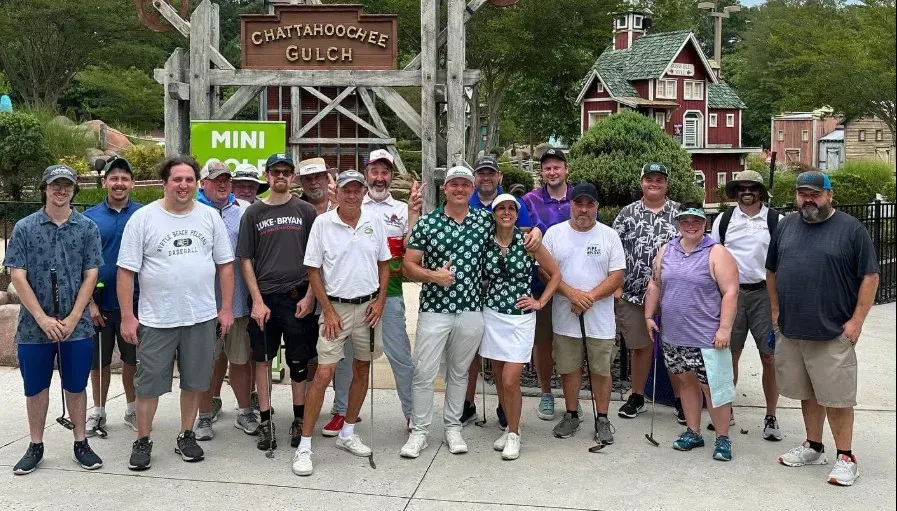
Competitive Mini Golf: The Sport Bringing Players Together
Competitive mini golf gives players something simple but powerful: a reason to care about every shot. Local leagues turn that into a real sport, where one smart bank shot can move a player up the standings, and one missed read can decide the match.
That mix of fun and pressure makes the sport easy to join but hard to ignore. Local leagues bring that energy to life with regular play, real standings, and a full competitive season. The format feels social, but the score still matters.
Why Competitive Mini Golf Connects So Many Players
Few sports blend skill, social energy, and accessibility the way competitive mini golf does. The barrier to entry stays low, the equipment cost is light, and first-timers compete alongside players with years of experience. That mix is rare in any sport, and it is part of why local leagues fill so quickly each season.
The game also crosses background lines. Athletes from other sports find familiar territory in the focus, the precision, and the pressure each round brings. Casual players sign up for the social side and stay because the competition turns out to be more real than they expected. The format works as one of the most genuinely inclusive sports available at the local level.
How Local Leagues Turn Casual Play Into a Sport
Casual mini golf ends when the round ends. Local leagues stretch the game across a season, and that change reshapes how players think about every shot. Scheduled matches, tracked scores, and standings turn a casual hobby into a real sport.
The structure also changes how players prepare. Players read the same course differently when they know it will define their season, and the difference shows up almost immediately. They study angles they once ignored, remember which holes cost them strokes last week, and arrive on league night ready to compete rather than ready to relax.
Season standings turn weekly play into a story. Players track their position against the field and chase a finish that matters by the end of the schedule. That long-arc structure is what most competitive sports have always offered, and mini golf now delivers the same thing at a fraction of the time and cost.
The Skills That Make Competitive Mini Golf Exciting
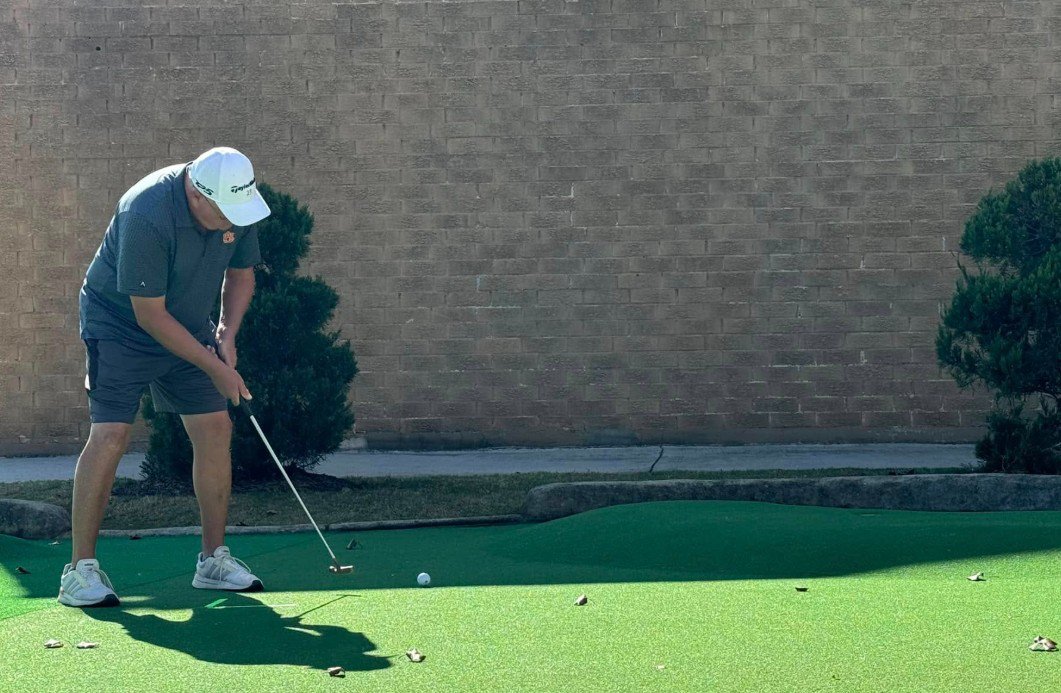
Mini golf looks simple from the tee, but the skill ceiling sits much higher than most players expect. Speed control sits at the top of the list. A putt struck too hard rolls past the cup, and one left short turns a routine birdie into a bogey. Players who learn the exact pace each course demands save strokes that casual players give away every round.
Angles, rebounds, and obstacle strategy follow close behind. Competitive players read a rail the way a pool player reads a cushion, and they remember which lanes punish aggressive lines and which ones reward them.
Pressure shots add the final layer. Holing a putt to win a round, or to lock in a season standing, sharpens decision-making in a way no driving range can replicate. Players who compete in mini golf tournaments and championship events develop a nerve that casual rounds never demand, and that mental edge is part of what makes the sport addictive.
Why Players Build Community Through Competition
Competition does not weaken the community in mini golf. It builds it. The same scorecard that pits one player against another also gives them something specific to talk about between holes, after the round, and into the next week. Players who care about their position pay attention to the people next to them on the standings, and those repeated matchups turn strangers into rivals and rivals into friends.
The pattern shows up across every league. Two players who fought for the same division finish usually want to settle the score the next season, and that rivalry becomes part of the league's identity. Other players follow the matchup, course staff remember the names, and the community gains a story it shares for years. A friendly competitive thread runs through the whole mini golf community, and that thread is what keeps the leagues feeling alive.
The improvement side reinforces the connection. Players watch each other get better, share reads on tricky holes, and trade advice on technique. The competition gives every interaction a reason, and the reason is what turns a casual conversation into a real relationship.
How Local Leagues Help Courses Build Community
Local courses gain more than weekly traffic when they host league play. They gain a reputation. A course that runs a well-organized league becomes known across the region as a place that takes the sport seriously, and that reputation attracts both casual visitors and serious competitors who want a real competitive home.
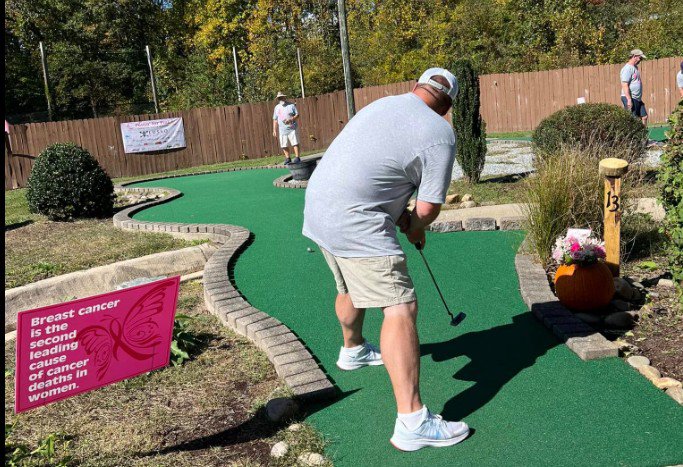
The community side matters as much as the revenue side. League nights bring the same players back week after week and turn the course into a gathering spot that the sport has historically lacked. Players bring friends and family for tournament nights, championship rounds, and end-of-season events that fill the course with energy.
Courses that build community through league play see clear results:
Steady weeknight and off-peak traffic from committed players
Repeat visitors who return across multiple seasons
Stronger food, beverage, and merchandise sales during league nights
Deeper local visibility through player check-ins and event coverage
A reputation that attracts new players and draws sponsor support
Where the Sport Goes Next
Competitive mini golf is growing faster than most local sports formats. New courses launch league programs every season, sanctioned tournament networks are expanding into new regions, and the sport's competitive structure now reaches from local league night to national championship play. Adult sports participation continues to grow year over year according to National Sporting Goods Association data, and competitive mini golf is one of the formats riding that wave.
Ready to be part of the sport and bring players together? Putter's League runs organized leagues and tournaments at courses nationwide. Find a league near you today.