

Why Athletes Are Choosing Mini Golf as Their Next Competitive Challenge
Athletes are always searching for challenges that test precision, focus, and strategy, but few expect to find it on a mini golf course. Competitive mini golf turns casual putting into a high-stakes, skill-driven game where every shot counts. It rewards accuracy, patience, and smart decision-making in ways that mirror traditional sports competition.
Structured leagues and tournaments give players measurable ways to track progress, refine techniques, and see tangible improvement. Beyond personal growth, these competitions foster connection with a community of like-minded athletes. With each round, participants experience the thrill of competition while enjoying a welcoming, social environment.
A Fresh Precision Challenge for Skilled Competitors
Athletes often pursue activities that sharpen coordination, timing, and focus through repeated practice sessions. In competitive mini golf, every hole presents unique angles, obstacles, and surfaces demanding thoughtful shot execution. Therefore, experienced competitors quickly recognize similarities between putting precision and other accuracy based sports.
Additionally, the game rewards athletes who read terrain carefully before selecting their approach. Small adjustments in speed, angle, or contact point often determine successful outcomes. Consequently, players develop sharper spatial awareness while learning how subtle choices influence ball movement.
Importantly, precision sports often strengthen mental discipline alongside physical technique. Research examining golf putting performance found attentional focus significantly affects shot accuracy, demonstrating that mental preparation enhances results during competition. Athletes comfortable with concentration based performance often transition naturally into organized putting environments.

Strategy and Mental Focus Define Competitive Mini Golf Success
Strategic thinking separates casual play from serious competitive mini golf participation. Each hole requires evaluating surfaces, rebounds, slopes, and obstacle placement before choosing a shot. Consequently, experienced players develop structured routines to visualize successful ball paths during competition.
Meanwhile, consistent practice helps athletes refine technique while managing pressure during tournament rounds. Mental focus remains essential because even minor distractions affect stroke consistency. As a result, players develop concentration habits similar to professional golf putting routines.
Equally important, the game promotes patience while rewarding thoughtful risk management. Players often decide whether to pursue aggressive scoring opportunities or secure safer placements. Such decisions mirror strategy choices seen across golf, bowling, and other skill based sports.
Why Athletes Keep Returning to Competitive Mini Golf Leagues
Leagues transform casual rounds into organized experiences where players compete regularly and measure improvement. Many athletes enjoy structured schedules because they create routine competition throughout an entire season. Competitive mini golf leagues encourage consistent participation while building stronger local player communities.
Moreover, weekly standings motivate players to refine techniques and develop smarter course strategies. Competitors often track scores, averages, and rankings to monitor long term progress. This structure allows athletes to take their putting skills more seriously over time.
Broader sports participation trends show why structured leagues attract athletes seeking new challenges. In 2024‑25, high school sports participation in the U.S. reached over 8.2 million, up nearly 200,000 from the previous year. Many players pursue leagues as an additional outlet for regular, skill‑based competition.
Benefits Athletes Experience in Competitive Mini Golf
Athletes often appreciate several advantages when transitioning into organized putting competitions. The sport blends technical skill, social engagement, and accessible competition within competitive mini golf environments.
Key benefits frequently highlighted by experienced participants include:
Precision skill development through repeated putting practice and course strategy refinement.
Low physical impact competition that still rewards discipline, focus, and coordination.
Opportunities for social engagement with teammates, competitors, and local sports communities.
Accessible learning curve allowing beginners and experienced athletes to compete comfortably together.
Consistent league play that creates regular practice opportunities and measurable improvement.
Altogether, these advantages help explain why competitive mini golf attracts athletes from diverse sporting backgrounds. The history of mini golf shows how courses evolved into structured competitive spaces, attracting both amateurs and seasoned competitors. Many participants enjoy combining relaxed social environments with structured competition.
Competitive Mini Golf Tournament Circuits Raise the Stakes
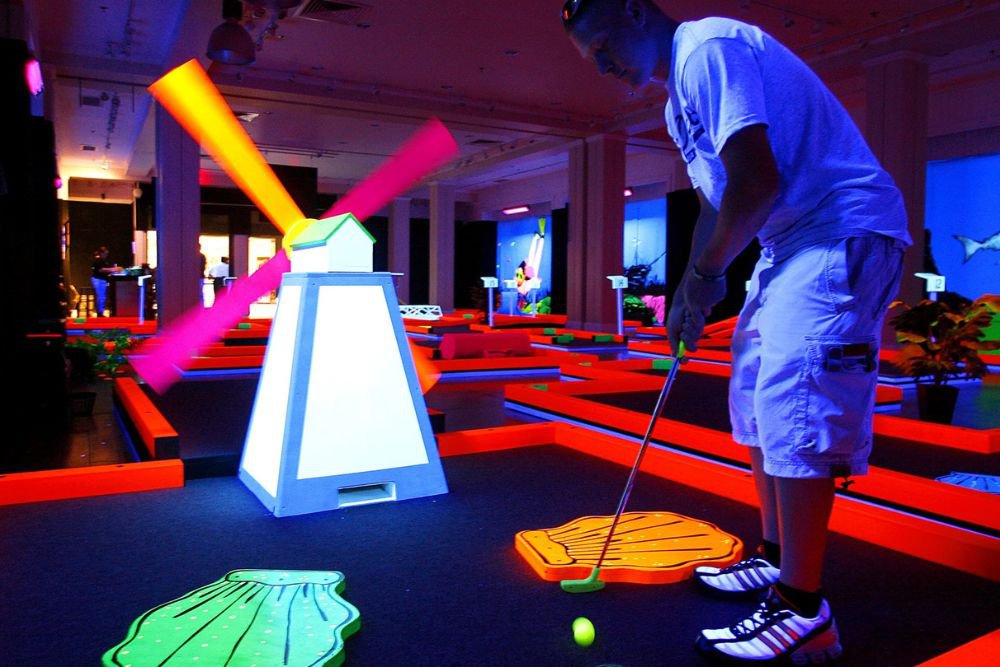
Beyond local leagues, competitive mini golf tournament circuits offer serious players opportunities to test advanced skills. Regional events gather experienced competitors who understand precision, strategy, and course management. Tournaments push athletes to refine techniques and adapt to challenging course layouts.
Moreover, tournaments create excitement through rankings, playoffs, and championship formats. Participants experience competitive energy similar to amateur golf events or bowling championships. As a result, athletes who enjoy structured competition often pursue these tournaments regularly.
National events highlight how organized putting competitions continue gaining recognition. Historical accounts explain how modern mini golf courses developed globally, creating venues capable of hosting competitive tournaments. Tournament circuits continue expanding alongside growing interest in skill based recreational sports.
Social Competition Builds Lasting Community Connections
Athletes rarely compete solely for scores or trophies. Social interaction plays a major role in long term sports participation and enjoyment. Competitive mini golf creates an environment where players connect through friendly rivalry and shared experiences.
Meanwhile, leagues encourage camaraderie between players who meet weekly during organized matches. Conversations between rounds often grow into friendships extending beyond the course. Participants appreciate the balance between competitive energy and welcoming community environments.
Additionally, venues hosting organized leagues benefit from increased repeat participation and player engagement. Courses gain steady traffic during scheduled league nights and tournaments. Ultimately, the activity helps build vibrant communities centered around accessible recreational competition.
Where Precision, Competition, and Community Come Together
Athletes across many sports continue exploring new environments rewarding precision, patience, and thoughtful strategy. Competitive mini golf offers structured leagues and tournaments where players refine skills while enjoying engaging competition. Furthermore, it creates opportunities for both personal improvement and meaningful social interaction.
At Putters League, athletes can explore leagues, tournaments, and scoring systems supporting competitive play nationwide. The organization helps players track improvement while competing regularly with fellow enthusiasts across different skill levels. Learn more about leagues, tournaments, and community competitions by visiting the site.