
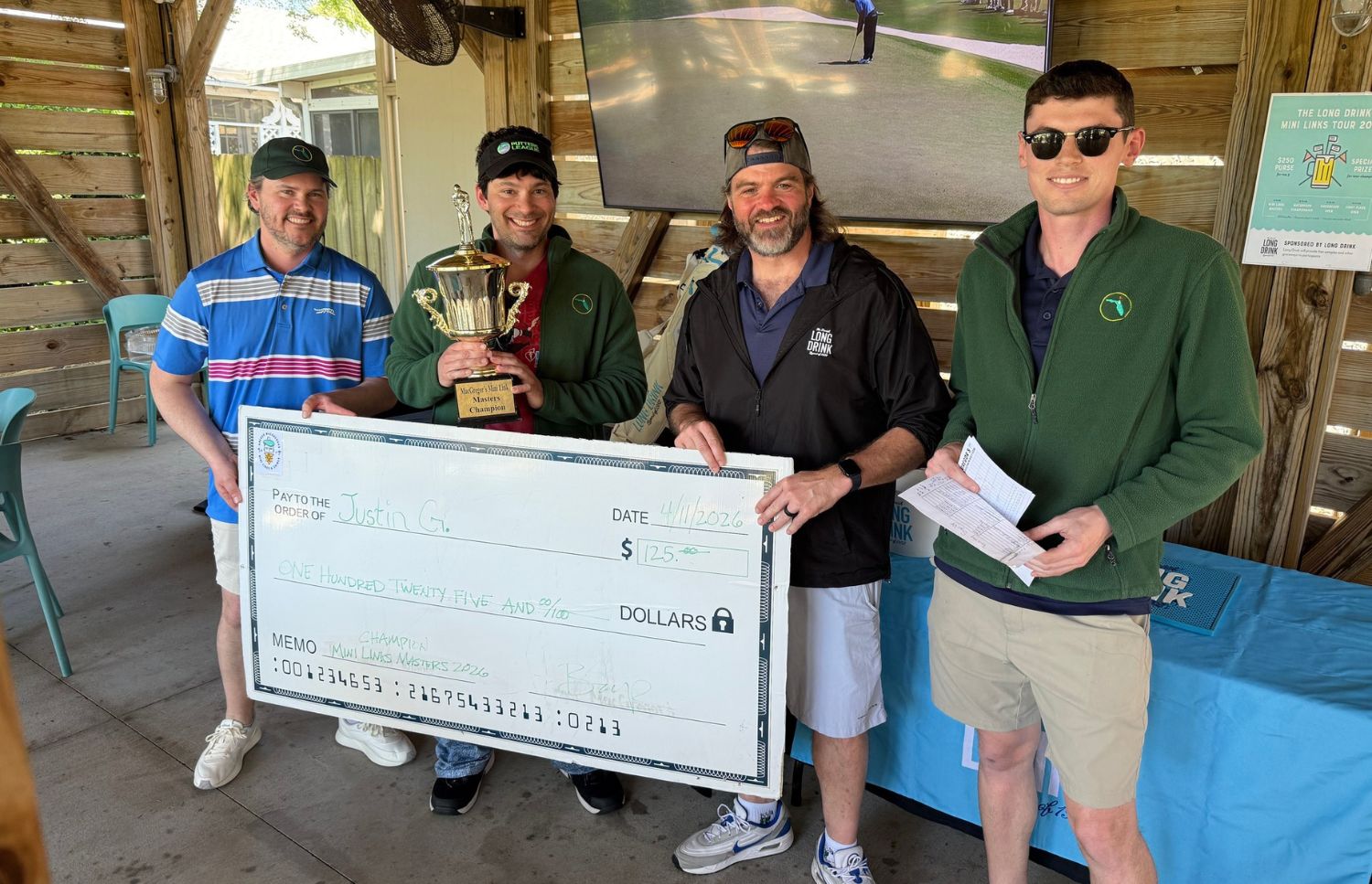
Mini Golf as the Next Big League Sport for Competitive Players
Modern recreational activities are undergoing a fascinating shift toward more organized and structured competition. Consequently, players now seek meaningful challenges that combine social interaction with genuine athletic skill development. The growing popularity of competitive mini golf perfectly demonstrates how casual pastimes become legitimate sports.
Historically, people viewed this activity merely as a whimsical pastime for family vacations. However, recent shifts in player demographics show that dedicated athletes are embracing the game today. Ultimately, this exciting transformation allows individuals to pursue structured athletic achievement within a welcoming environment.
Mini Golf Tournaments and the Rise of Professional Circuits
The transition from casual play to structured athletic events requires established governance and clear rules. Historical records show organized mini golf competitions date back to European tournaments in the nineteen thirties. This long history provides a solid framework for modern organizers to establish credible competitive environments today.
Furthermore, these formal events draw serious competitors who spend hours mastering the physics of every green. Industry reports show experiential putting venues attract millions in commercial investments to drive global expansion. Consequently, this massive influx of funding elevates the entire industry into a highly respected competitive arena.
In addition, dedicated putters travel across the country to participate in prestigious multi-day championship events. These high-stakes matchups utilize standardized scoring systems to track individual performances over long seasons. Therefore, the resulting data allows players to compare their skills against top competitors nationwide.
How Structured Mini Golf Leagues Foster Community Engagement
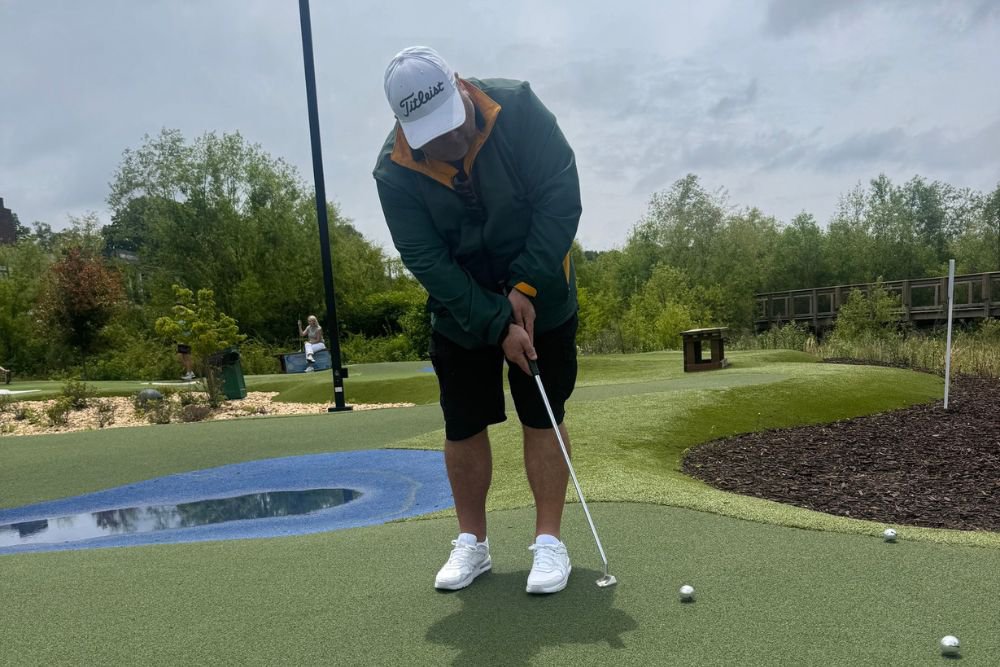
Weekly competitive schedules allow local venues to build vibrant communities around structured athletic entertainment. Participants gather regularly to test their skills while enjoying the camaraderie of fellow enthusiasts. Likewise, this reliable routine transforms a simple neighborhood venue into a bustling hub of competitive energy.
Moreover, organized group play encourages consistent practice because every single stroke affects the seasonal standings. Participants analyze their performance data weekly to identify specific areas that require immediate improvement. Clearly, this continuous cycle of feedback helps amateur competitors advance their skills much faster than before.
Subsequently, local communities thrive when residents have access to structured activities that promote healthy competition. Friendly rivalries develop naturally over the course of a season, adding excitement to every match. Ultimately, these meaningful connections extend far beyond the final green, creating lifelong friendships among participants.
Operational Enhancements for Mini Golf Venues
Course owners must implement specific strategies to transform casual facilities into profitable competitive hubs. Choosing the right operational approach ensures long-term viability and consistent community engagement throughout the year. Indeed, establishing structured programs requires clear organization to ensure consistent participation from local players.
Operators should evaluate specific operational improvements to maximize facility usage during traditional off-peak hours:
Structured weekly schedules guarantee steady foot traffic during historically slow weekday evening hours.
Organized competitions introduce local families to the facility, creating loyal multi-generational customers.
Custom merchandise sales generate additional revenue streams alongside standard registration fees.
Targeted marketing campaigns attract corporate groups seeking unique team building experiences.
Regular tournament hosting elevates the regional reputation of the venue within athletic communities.
On the other hand, implementing these proven systems allows operators to maximize their venue potential without expanding physical footprints. Local businesses benefit greatly from the increased visibility that organized regional mini golf competitions naturally provide.
Balancing Strategy and Physical Skill on the Green
Success in this evolving sport requires a unique blend of mental strategy and physical precision. Players must carefully analyze topography, synthetic turf friction, and potential banking angles before putting. Looking closely, this deep analytical requirement elevates the game far beyond simple luck or casual amusement.
Simultaneously, athletes spend considerable time selecting the ideal equipment to match specific course conditions. Variations in ball weight and putter balance drastically alter performance on different tournament designs. Understanding these subtle technical nuances separates top-tier competitors from casual weekend mini golf participants.
As a result, mental resilience under immense pressure defines the champions of these modern competitive events. Missing a single crucial short putt can instantly alter the outcome of an entire tournament. For this reason, competitors practice specialized focus techniques to maintain composure during intense final round showdowns.
Inclusive Structures for Growing Mini Golf Participation
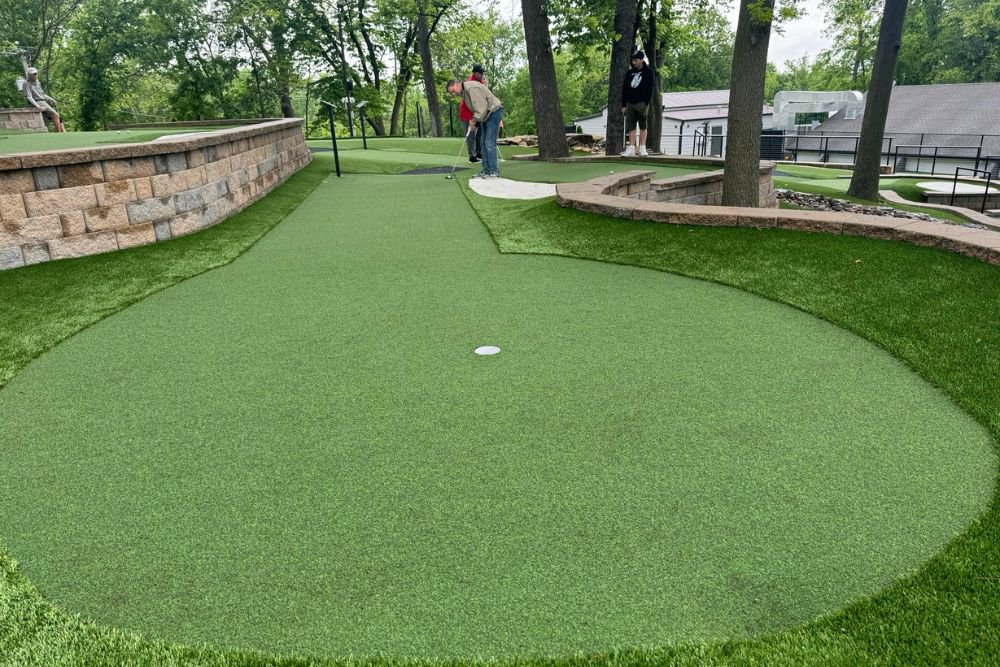
Modern competitive structures must accommodate individuals from all athletic backgrounds to ensure sustainable growth. Breaking down traditional barriers allows diverse groups to experience the thrill of organized sports. Specifically, implementing thoughtful developmental pathways encourages underrepresented groups to test their skills in structured environments.
Organizers can utilize several structural strategies to make competitive tournaments welcoming for every interested participant:
Low equipment costs ensure that financial barriers do not prevent talented individuals from competing.
Adaptive course designs allow individuals with varying physical abilities to participate safely and effectively.
Age-inclusive divisions encourage children and senior citizens to compete on the same stage.
Simplified rule structures allow absolute beginners to understand tournament play within minutes.
Localized event options eliminate the need for expensive long-distance travel to participate.
In contrast to exclusive clubs, providing these accessible entry points ensures a steady influx of passionate new competitors every season. The entire community becomes stronger when more people participate in organized mini golf activities together.
Shaping the Future of Competitive Putting Leagues
The continuous expansion of organized mini golf proves that competitive putting has a bright future nationwide. As more communities embrace structured local events, the demand for standardized ranking systems increases rapidly. This momentum ensures that the sport will keep attracting diverse athletes seeking accessible competition.
At Putters League, we support the growth of competitive mini golf through structured leagues, national tournaments, and modern scoring systems that help players track progress across events. Our partnerships with local courses make it easier for competitive players to join the expanding world of organized mini golf. Discover how competitive mini golf leagues bring players together by visiting our community online today.