

How Non-Golf Athletes Can Excel in Competitive Mini Golf
Athletes from various sports backgrounds often look for fresh ways to test their skills. Engaging in competitive recreational activities offers a perfect avenue for maintaining an active lifestyle. Transitioning into the world of mini golf allows individuals to experience thrilling and organized local tournaments.
Success on the putting green does not require a background in traditional club sports. Dedicated individuals can achieve remarkable results by focusing on precision rather than raw power. This accessible sport welcomes anyone who possesses determination and a desire for steady personal growth.
Core Mechanics and Rapid Skill Acquisition in Mini Golf
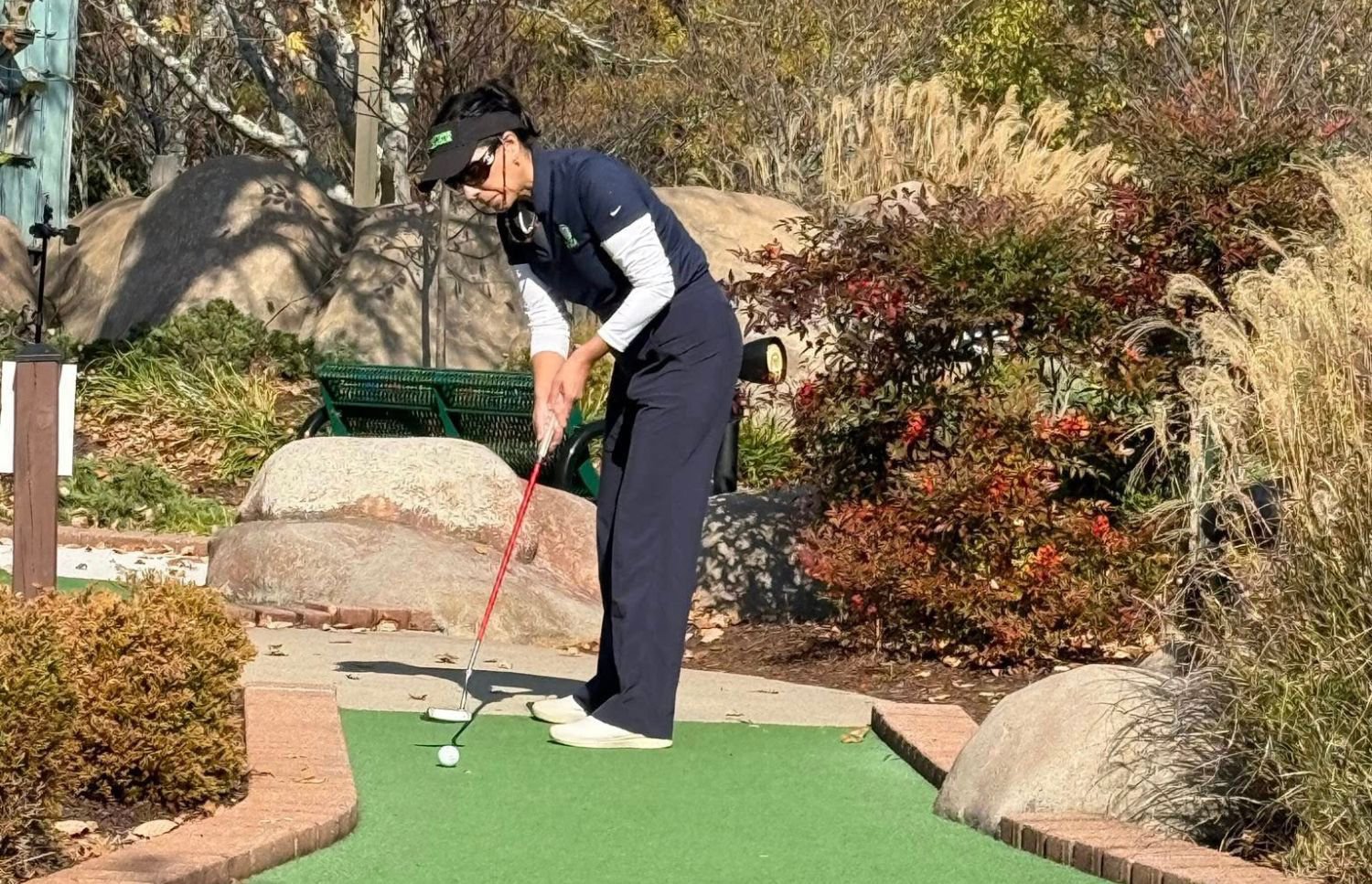
Athletes from field sports quickly adapt to the technical demands of competitive putting. Developing a fluid and repeatable stroke constitutes the primary foundation for accurate ball placement during a mini golf match. New competitors learn to align their shoulders properly to ensure a straight path forward.
Controlling the speed of the ball remains far more crucial than swinging with force. Precise execution during short distance shots prevents players from accumulating unnecessary penalty strokes over time. Mastering this basic mechanic allows individuals to secure low scores on challenging mini golf layouts.
Furthermore, consistent repetition builds muscle memory rapidly during purposeful individual practice sessions on the green. Understanding the physical feedback from each stroke helps players make immediate internal adjustments. Consequently, newcomers build essential mechanical skills without needing years of expensive professional golf instruction.
Precision and Consistency Over Powerful Swings
Traditional golf heavily emphasizes driving distance, whereas competitive putting prioritizes exact spatial awareness. Athletes accustomed to fine motor control excel when navigating intricate obstacles and narrow pathways. Delivering a measured stroke consistently outclasses relying on physical strength in this sport.
In addition, official guidelines dictate that standardized competition parameters require absolute technical precision on every single lane. Meeting these rigorous international standards demands unwavering physical control from the opening tee shot. Players must replicate exact movements under pressure to achieve true competitive success.
As a result, focusing entirely on the immediate target allows participants to block out external course distractions. This deliberate mental approach ensures that every stroke mirrors the success of previous attempts. Therefore, non-traditional athletes frequently outperform experienced golfers through superior patience and meticulous movement.
Structured Leagues Fuel Steady Player Advancement
Joining an organized evening program provides a supportive environment for developing specialized putting skills. Weekly events allow participants to test tactical adjustments against diverse opponents without extreme stress. Regular play establishes a comfortable routine that accelerates the overall athletic learning curve in mini golf leagues.
On the other hand, historical data published by the National Museum Zurich notes that structured miniature courses have provided accessible, regulated competition since the early twentieth century. This long tradition of organized play ensures that modern systems effectively support player growth. Newcomers benefit greatly from this established framework as they refine their personal approach.
Ultimately, interacting with seasoned participants exposes beginners to advanced putting techniques and creative course strategies. Observing different styles of play inspires individuals to expand their own technical capabilities on the mini golf course. Over time, this consistent community exposure transforms casual putting enthusiasts into highly capable tournament competitors.
Strategic Thinking and Course Navigation in Mini Golf
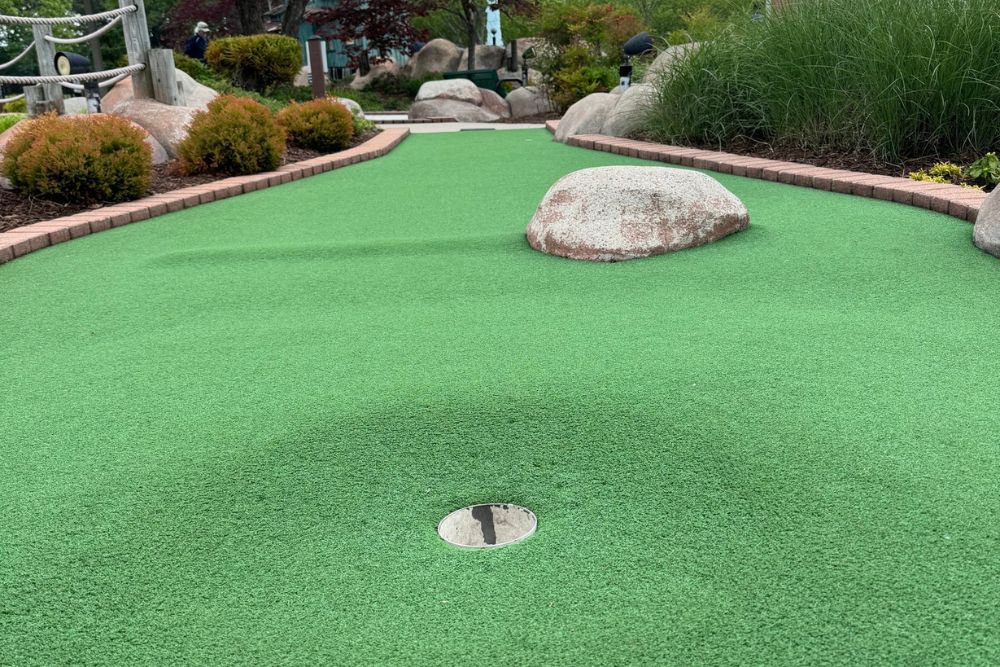
Competitive putting requires a deep understanding of geometry and surface physics on every single hole. Players must calculate exact angles to utilize side cushions and structural borders effectively during mini golf play. Developing this sharp spatial awareness allows non-golfers to outmaneuver opponents with superior course management strategy.
To master course navigation, athletes should focus on specific environmental factors:
Evaluate the subtle breaks and slopes across the entire synthetic turf surface.
Identify the exact apex of every hill to prevent the ball from rolling backward.
Determine the optimal bounce pressure against concrete walls for ideal ball deflection.
Assess how damp morning conditions or dry afternoon heat alter rolling friction.
Locate safe landing zones that offer straightforward secondary putts toward the cup.
In conclusion, anticipating how the ball reacts to distinct hazards prevents costly tactical mistakes on mini golf courses. Developing this sharp spatial awareness allows non-golfers to outmaneuver opponents with superior strategy.
Scoring Systems as Tools for Growth
Tracking individual performance data allows developing sports enthusiasts to measure their progress accurately. Standardized tournament scorecards reveal specific areas where players consistently lose critical points. Analyzing these numbers helps competitors tailor their practice routines to address explicit weaknesses.
Meanwhile, evidence shows that systematic performance tracking significantly enhances athletic self-efficacy and long-term skill acquisition. Monitoring incremental changes over time reinforces personal confidence during demanding competitive scenarios. Seeing objective statistical proof of improvement motivates individuals to maintain their dedication.
For this reason, understanding cumulative scoring dynamics helps players manage risks appropriately during tight tournament matches. Competitors learn when to attempt difficult shots and when to settle for safe placements. This analytical mindset turns the scorecard into a valuable roadmap for reaching peak performance.
A New Pathway to Athletic Excellence in Mini Golf
Engaging in competitive mini golf offers an exciting and accessible path for athletes seeking structured recreational sports. The perfect blend of strategic skill development and social camaraderie makes the activity ideal for dedicated competitors. Participants enjoy continuous personal growth while discovering a vibrant community that celebrates precise athletic performance.
At Putters League, we help beginner athletes get involved through welcoming leagues, organized tournaments, and easy-to-follow scoring systems. Our events encourage steady improvement while creating opportunities to compete alongside players of all experience levels. Discover more about our upcoming seasonal events and find a local community hub by visiting Putters League.