
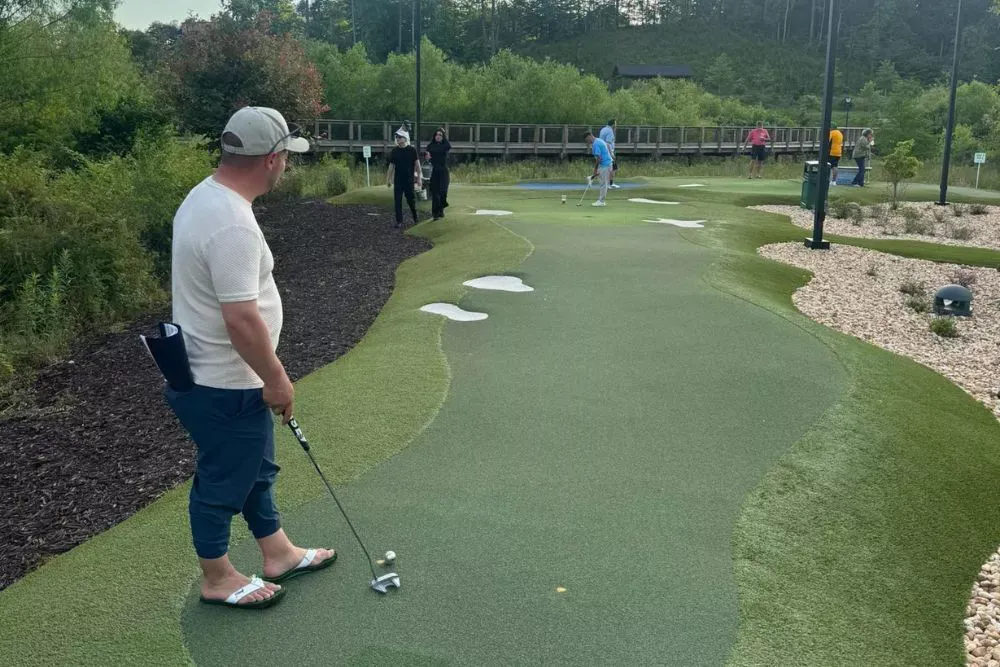
Golfers Discover the Thrill of Competitive Putting
Golfers constantly look for new ways to sharpen their short game and maintain practice motivation. Across many courses, competitive putting events now transform casual practice into engaging skill-based competition. Players discover environments where focus, precision, and consistency directly influence meaningful outcomes.
Mini golf and putting courses provide accessible spaces where golfers can test skills socially. Meanwhile, organized leagues offer structured formats that encourage repeated participation and measurable progress. Structured play therefore blends practice, community interaction, and tournament excitement within welcoming recreational settings.
How Competitive Putting Builds Real Golf Skills
Putting-focused mini golf challenges golfers to refine touch, alignment, and course management awareness. Mini golf focuses purely on putting aspects similar to traditional greens and holes. The aim remains scoring the lowest number of points per hole, strengthening touch and short game precision.
Repeated attempts on varied layouts strengthen distance control and reading subtle surface breaks. Many golfers therefore treat competitive putting as an extension of traditional short game practice. Courses with artificial obstacles reinforce strategic thinking and refine consistent stroke mechanics.
Historical accounts show organized miniature golf courses expanding internationally during the early twentieth century. The sport’s evolution from recreational play to competitive formats reflects its adaptability and appeal across ages. Structured competitions emerged where players measure performance beyond casual amusement.
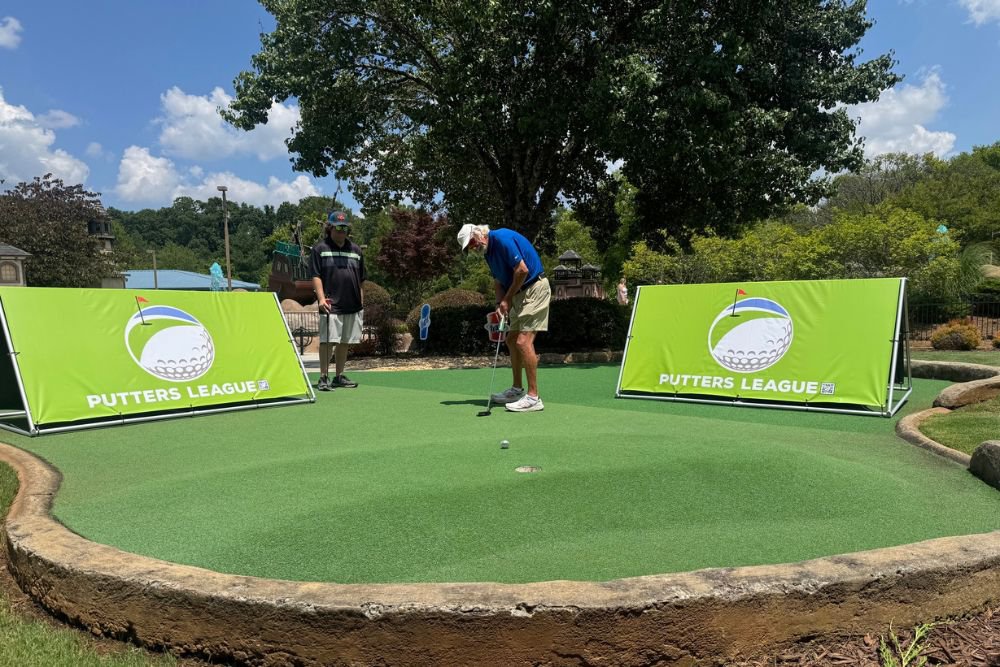
Rick Baird aka Mr Perfect closing out a round at The Fringe (GA) 2026
Competitive Putting Events Introduce Strategy and Measurable Performance
Structured competitions emphasize accuracy and patience rather than raw power, mirroring traditional golf scoring dynamics. Furthermore, obstacles and sloped surfaces require players to calculate angles and pace carefully. Participants therefore learn thoughtful decision making during each competitive putting round.
Scoring systems also bring meaningful structure absent from casual practice sessions. Many events track individual results across multiple rounds or weekly league competitions. Consequently, standings and rankings allow players to measure progress throughout seasons.
Participation trends indicate that overall sports engagement continues growing steadily across communities throughout the United States. Data reveals that in 2024 more than 247 million Americans participated in physical activity. This milestone demonstrates increasing interest in organized sports formats and structured recreational competitions nationwide.
Why Leagues Create Meaningful Opportunities for Golfers
League schedules provide reliable opportunities for golfers to gather and compete regularly. Moreover, recurring events encourage consistent practice and friendly competition among familiar participants. As a result, leagues often become important parts of local recreation communities.
Regular matchups also foster accountability that motivates players to continue improving their skills. Competitors track scores week after week while developing friendly rivalries with fellow players. Participants remain engaged throughout extended seasons.
Inclusive environments help leagues welcome players from many skill levels and backgrounds. Beginners gain confidence through structured competition, while experienced golfers pursue performance goals. Such balance ensures leagues remain approachable yet rewarding for dedicated competitors.
Key Skills Golfers Develop Through Competitive Putting
Regular participation in putting leagues strengthens precision, focus, and strategic decision making. Moreover, structured play encourages golfers to approach each shot with patience and control. Many players therefore find that organized practice improves both confidence and overall performance.
Several core skills consistently improve when golfers participate in structured putting competitions.
Reading subtle slopes and contours to predict ball movement before each carefully planned shot.
Controlling pace and distance across varied course surfaces and obstacle layouts.
Maintaining concentration under scoring pressure during league or tournament rounds.
Planning shot paths strategically to avoid hazards and maximize scoring opportunities.
Adjusting technique quickly when surfaces or obstacles influence ball direction.
Together, these abilities build stronger confidence for players competing in organized competitive putting environments. Consistent participation therefore strengthens skills transferable to traditional golf greens.

Josh Mars & Rainey Statum putting at the 2025 US Open at Tin Cup (GA)
Competitive Putting Expands the Social Side of Golf
Competitive formats introduce social energy often missing from solitary practice routines. Additionally, leagues encourage interaction among players who share enthusiasm for precision sports. As friendships develop, environments become welcoming gathering places for many golfers.
Friendly competition also creates memorable moments that keep participants returning each season. Players celebrate improvements, discuss strategies, and learn from one another during league nights. Social leagues strengthen both performance and community engagement simultaneously.
Local courses benefit when regular competitions bring players together during quieter operating hours. League participants frequently invite friends or family members to watch or join upcoming events. Consequently, programs often expand community interest in organized recreational sports.
Organized Competitions Support Growing Interest in Skill-Based Sports
Many recreational athletes now seek activities that combine strategy, precision, and social interaction. Furthermore, organized competitions create clear goals that motivate continued participation and improvement. Such environments explain why competitive formats continue attracting golfers and recreational competitors alike.
Short game focused competition also bridges casual recreation and structured sporting events effectively. Players gradually transition from informal rounds into leagues, tournaments, and ranking systems. Accessible formats allow golfers, families, and social groups to participate without extensive experience.
Participants bring curiosity and a willingness to learn while fully enjoying friendly, skill-based rivalry. As interest in competitive short game activities increases, more players join leagues across multiple communities. These organized competitions continue expanding, creating opportunities for recreational golfers to engage consistently and improve performance.
Discovering the Competitive Side of Putting
Golfers seeking fresh challenges often find structured competition makes practice far more engaging. Participating regularly in competitive putting events encourages improvement, connection, and friendly rivalry. Accessible leagues therefore continue attracting players who enjoy combining skill development with social competition.
At Putters League, organized events help golfers experience the excitement of competitive putting tournaments nationwide. Leagues and tournaments allow players to refine skills while tracking progress across multiple competitions. Explore opportunities to participate or host leagues by visiting the site and discovering upcoming events.