

Competitive Mini Golf Leagues That Welcome First-Time Players
Trying a new social activity feels easier when the group actually wants you there. That open welcome is what draws so many first-timers to inclusive mini golf leagues. You learn the rules quickly, meet friendly regulars, and start playing within a night.
Most courses run their leagues on a set weeknight, so the routine stays easy. Nobody expects a perfect first round, and that takes the fear out of showing up. This guide shows how leagues work and what a season looks like before you join.
What Makes New Players Feel Welcome
Walking into a new sport can feel intimidating when you assume everyone is watching. Inclusive mini golf leagues ease that worry by putting the shared fun of playing first. People end up free to test their own skills without ever dreading anyone's judgment.
Experienced putters tend to share honest tips on stance and stroke without being asked. That kind of open mentoring helps beginners read tricky course layouts far sooner than expected. Those early nerves turn into real excitement once the first few holes start going well.
League nights double as a relaxed way to meet people from around your area. A systematic review of adult sport ties team play to a stronger sense of belonging. That sense of belonging keeps newcomers coming back as much as the scores do.

How Leagues Keep Matches Fair
Organized leagues sort players into divisions, so you compete against people at similar levels. A first-timer faces other first-timers, while the seasoned putters get matched with tougher rivals. Handicaps let anyone win on a given night, no matter how long they have played.
Plenty of sports lose casual players when the skill gap simply feels too wide. Balanced matchups keep each game close enough that the outcome stays worth chasing. That kind of tension holds right up until the last ball drops into the cup.
Weekly play also gives you clear checkpoints to see how your game is growing. Repeating the same obstacles week after week builds the muscle memory good putting needs. Most players notice sharper aim and better control within their first month of league matches.
What a League Season Actually Looks Like
A typical league runs in weekly rounds across a season that lasts several weeks. You play the same course setup each night, so you always know what to expect. That routine helps new putters settle in before the scores really start to matter.
As players improve, many set their sights on bigger events beyond the weekly league. Putters League runs tournaments like The Frosty, the Georgia Open, and its own Championships. These give league regulars something to aim for once their weekly game feels solid.
Signing up is usually as simple as asking your local course about its inclusive mini golf leagues. Captains often pair newer players with veterans who help them read the trickier greens. Working through a course together turns a solo round into a shared team effort.
Simple Habits That Lower Your Score
Better scores tend to come from repeating a few solid mechanics until they feel automatic. Golf research on the quiet eye links a steady, focused gaze to more accurate putts. So locking your eyes on the target before you stroke pays off on the green.
A few habits tend to lower scores fast once they become second nature:
Set a stable stance so your body stays steady through the whole stroke.
Read the slope from a few angles to spot breaks before you putt.
Hold the putter lightly, since a tense grip pulls the ball off line.
Pick one target line and commit to it as you swing through.
Follow through evenly to keep your speed under control on faster carpet.
These small habits turn an ordinary practice night into steady, visible progress on the course. Playing in a league speeds all of this up more than solo rounds do. You get regular reps, honest feedback, and a real reason to keep coming back.
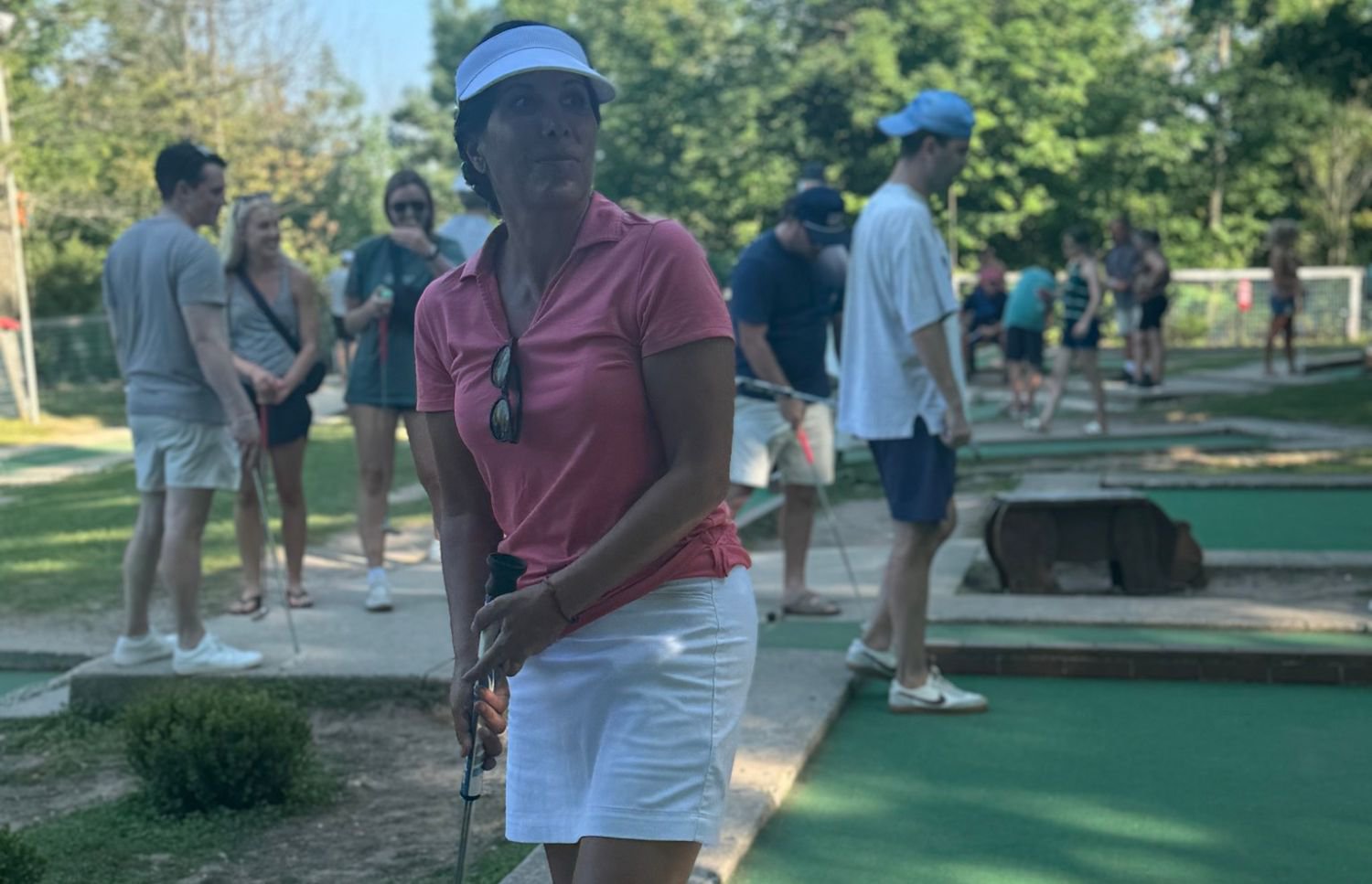
How Mini Golf Grew Into a Sport
Mini golf began as a lighthearted pastime long before it grew into organized competition. Today it pulls in players who want real skill and structure, not just novelty. A quick look back shows why the game still draws such a wide crowd.
A few broad moments trace how the game reached its current form:
Casual putting greens in Scotland gave the game its earliest roots.
Purpose-built courses spread widely once the pastime caught on across the United States.
Governing bodies later formed to set shared rules for organized tournaments.
Media attention helped turn skilled putters into local names worth watching.
Modern scoring tools now track results and feed live leaderboards at events.
That long history is part of what makes today's inclusive mini golf leagues feel so worth joining. You are stepping into a game with deep roots, not just a passing trend. Every league night you play adds one more small chapter to that ongoing story.
Finding Your Place in a League
Joining a mini golf league gives you low-key competition and a ready-made group to play with. You build steady confidence on the course while testing your nerve against real opponents. The mix of challenge and welcome in inclusive mini golf leagues keeps people coming back.
At Putters League, we help local courses build leagues that bring whole communities together. We also run events that range from local nights to the Putters League Championships. Find a league near you, grab a putter, and see where the season takes you.